











A Brief History of Nestlé
Nestlé began in the 1860s with a focus on infant nutrition. Over time, the company expanded into a global food and beverage powerhouse with products sold in nearly every part of the world.
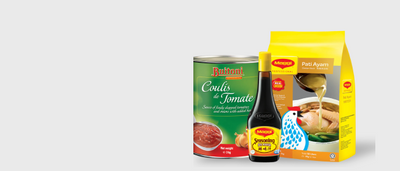
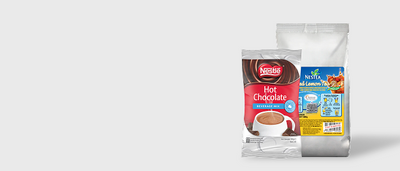
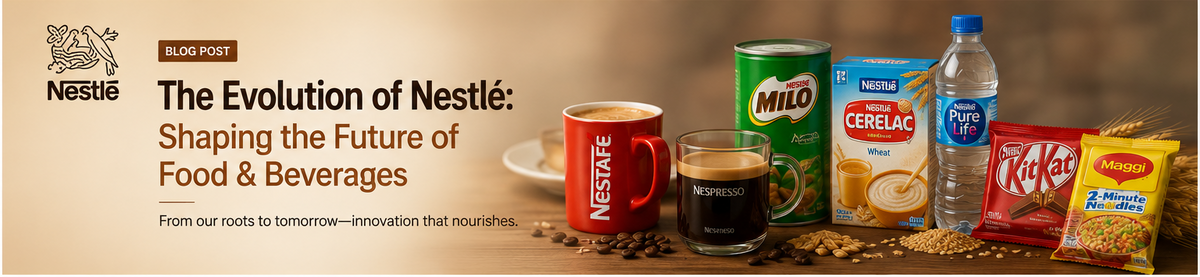
Today, Nestlé owns or manages a wide portfolio of brands across categories such as:
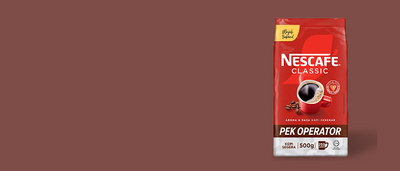
- Coffee
- Bottled water
- Dairy
- Confectionery
- Pet care
- Frozen meals
- Nutrition products
Its ability to diversify has helped the company remain competitive across changing consumer trends and economic conditions.
Building a Global Presence
One of Nestlé’s greatest strengths is its global reach.
The company operates in numerous countries and tailors products to local tastes and cultural preferences. This localization strategy allows Nestlé to remain relevant in very different markets.
For example:
- Coffee preferences vary widely by region
- Snack flavors differ across countries
- Nutritional needs vary by demographic
By adapting products for local consumers while maintaining global brand recognition, Nestlé has built a strong international presence.
Expanding Beyond Traditional Products
Over the years, Nestlé has expanded beyond traditional packaged foods.
The company has increasingly focused on:
- Health and wellness
- Functional nutrition
- Pet care
- Premium coffee experiences
- Plant-based food innovation
This diversification helps reduce dependence on any single category while allowing the company to enter high-growth markets.
The growing popularity of wellness-focused products has especially influenced Nestlé’s recent strategy.
Digital Transformation in the Food Industry
Like many global brands, Nestlé has adapted to the rise of digital commerce.
Consumers now expect:
- Online ordering options
- Faster delivery
- Personalized recommendations
- Digital customer engagement
Nestlé has invested in e-commerce partnerships, digital marketing, and consumer analytics to better understand purchasing behavior.
The company also uses data and technology to improve manufacturing efficiency and supply chain management.
Challenges and Opportunities
Despite its success, Nestlé operates in a highly competitive and rapidly changing industry.
Some of the major challenges include:
- Rising raw material costs
- Supply chain disruptions
- Regulatory changes
- Consumer health concerns
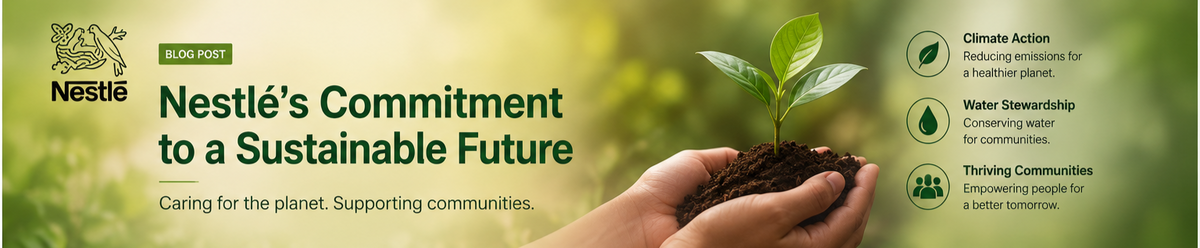
- Environmental pressures
At the same time, these challenges create opportunities for innovation.
The demand for healthier foods, sustainable packaging, and alternative proteins continues to open new markets.
What Comes Next?
As global food preferences evolve, companies like Nestlé will need to continue balancing innovation, sustainability, affordability, and nutrition.
The future of the food industry will likely involve:
- Smarter supply chains
- More personalized nutrition
- Sustainable agriculture
- Eco-friendly packaging
- Technology-driven food production
Nestlé’s ability to adapt over decades suggests it will continue to play a major role in shaping the future of food and beverages worldwide.
For consumers, the company remains a familiar presence — one that continues evolving alongside changing lifestyles and expectations.

Leave a comment
This site is protected by hCaptcha and the hCaptcha Privacy Policy and Terms of Service apply.